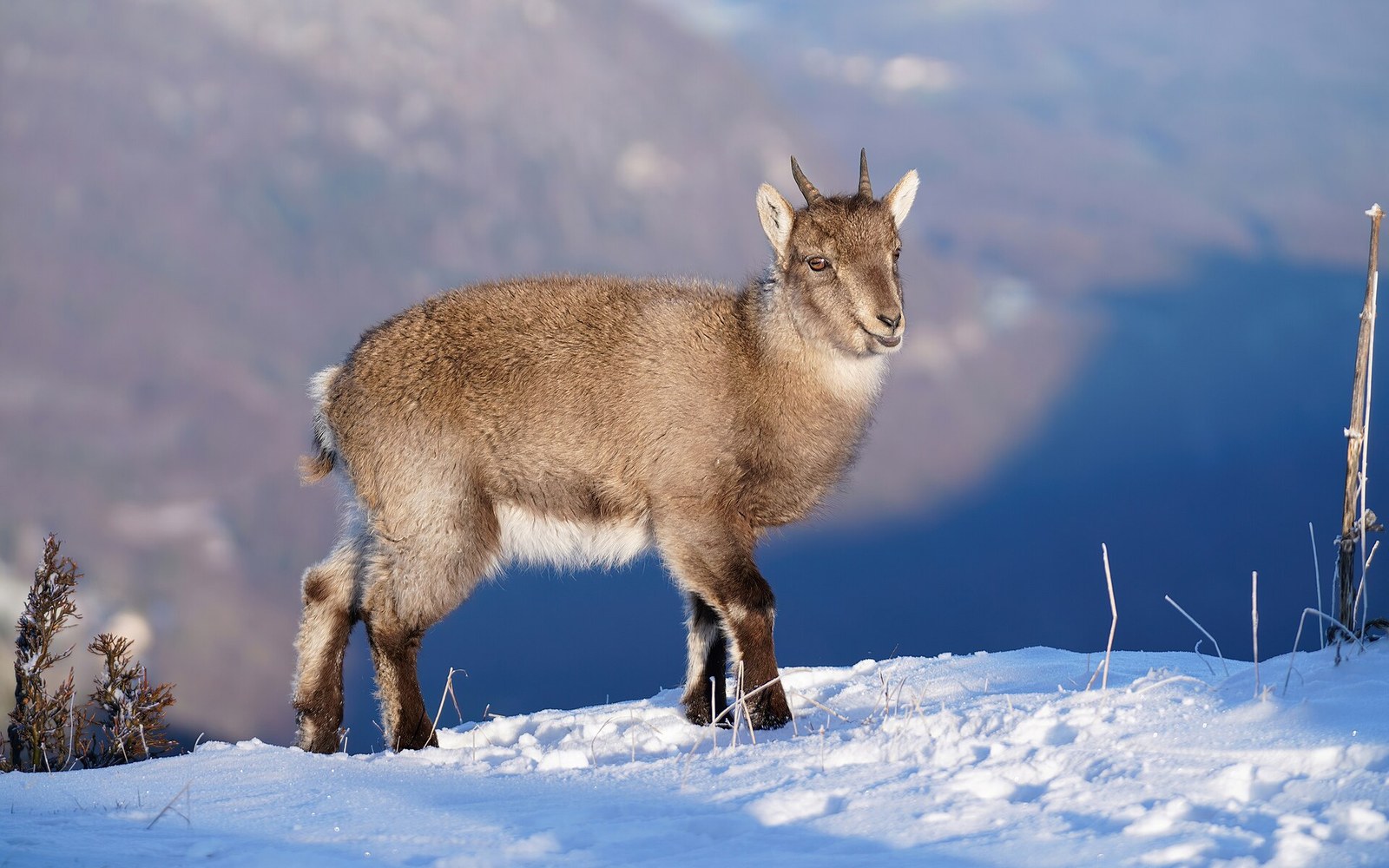
The park counts them each year. The recovery is the record it keeps best.
Photo: 021 Wild Baby Alpine Ibex Creux du Van Photo by Giles Laurent · Wikimedia Commons
The Ibex Count, Sixty Years On
From fewer than fifty animals to several thousand: the Vanoise census is the most precise long record of Alpine ibex recovery in France.
The Numbers Behind the Park
When the Parc national de la Vanoise ↗ was created in 1963 — the first national park in France — the ibex (bouquetin, Capra ibex) population on the French side of the massif had fallen to somewhere between forty and fifty individuals. The species had been hunted to regional extinction across most of the Alps by the mid-nineteenth century; its survival on the Italian side was owed entirely to a royal reserve established in the Gran Paradiso, and it was from that population that the slow recolonisation of French territory began. The creation of the Vanoise park drew a legal boundary around the terrain those animals were already beginning to occupy.
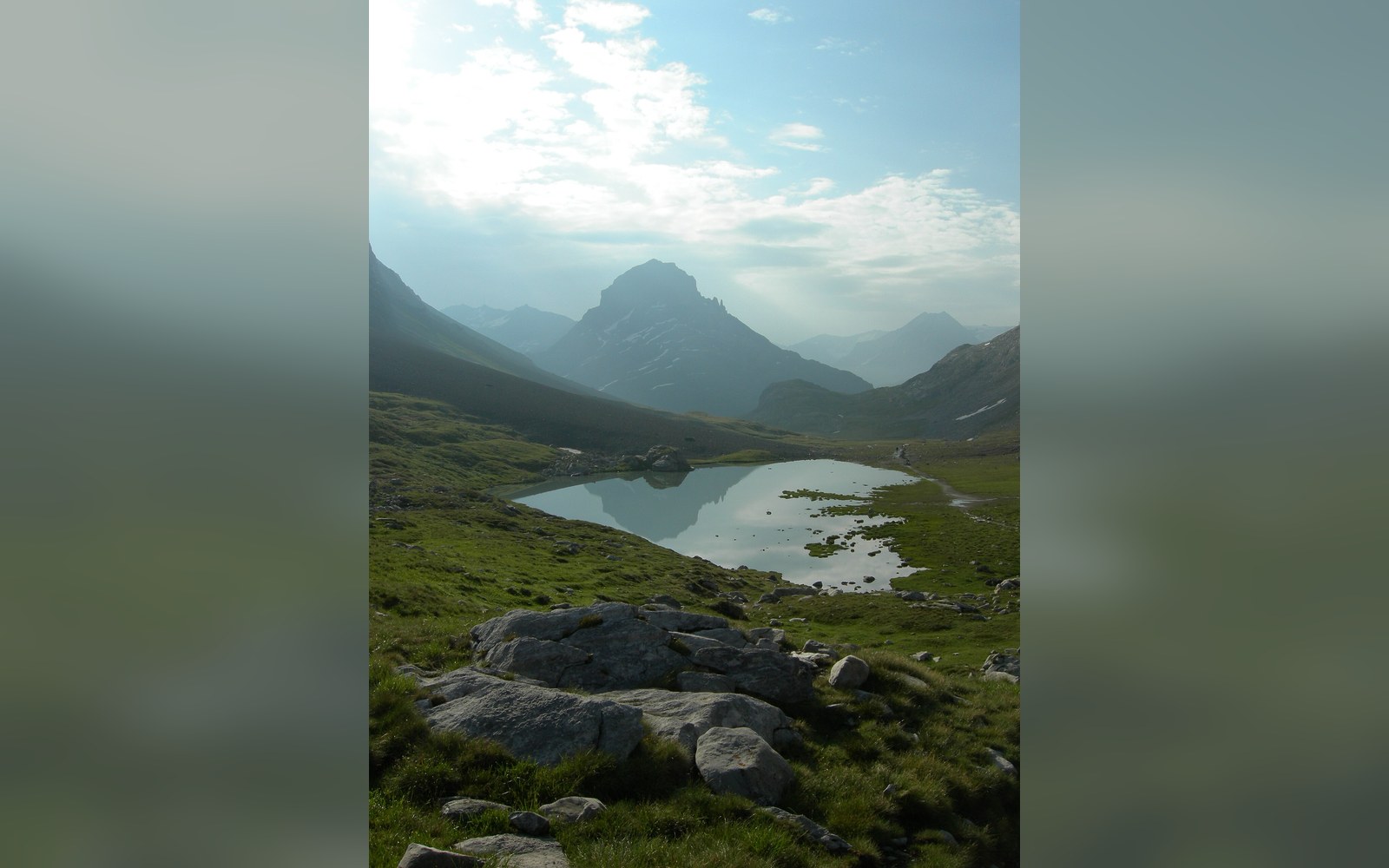
The recovery is documented in surveys the park has conducted each summer, counting animals on the high rocky terrain — cliffs, scree slopes and the fringe zones of glacier — that ibex preferentially use between roughly 2,400 and 3,200 metres. By the late 1970s the count had exceeded 1,000. By the 2000s it was approaching 2,000 within the park's central zone alone. The most recent published census by the Parc national de la Vanoise places the population at approximately 2,000 animals within the core zone, with several hundred more in the peripheral zone and in neighbouring massifs where animals have dispersed naturally. The total French alpine ibex population, of which the Vanoise is the nucleus, is now counted in the low thousands.
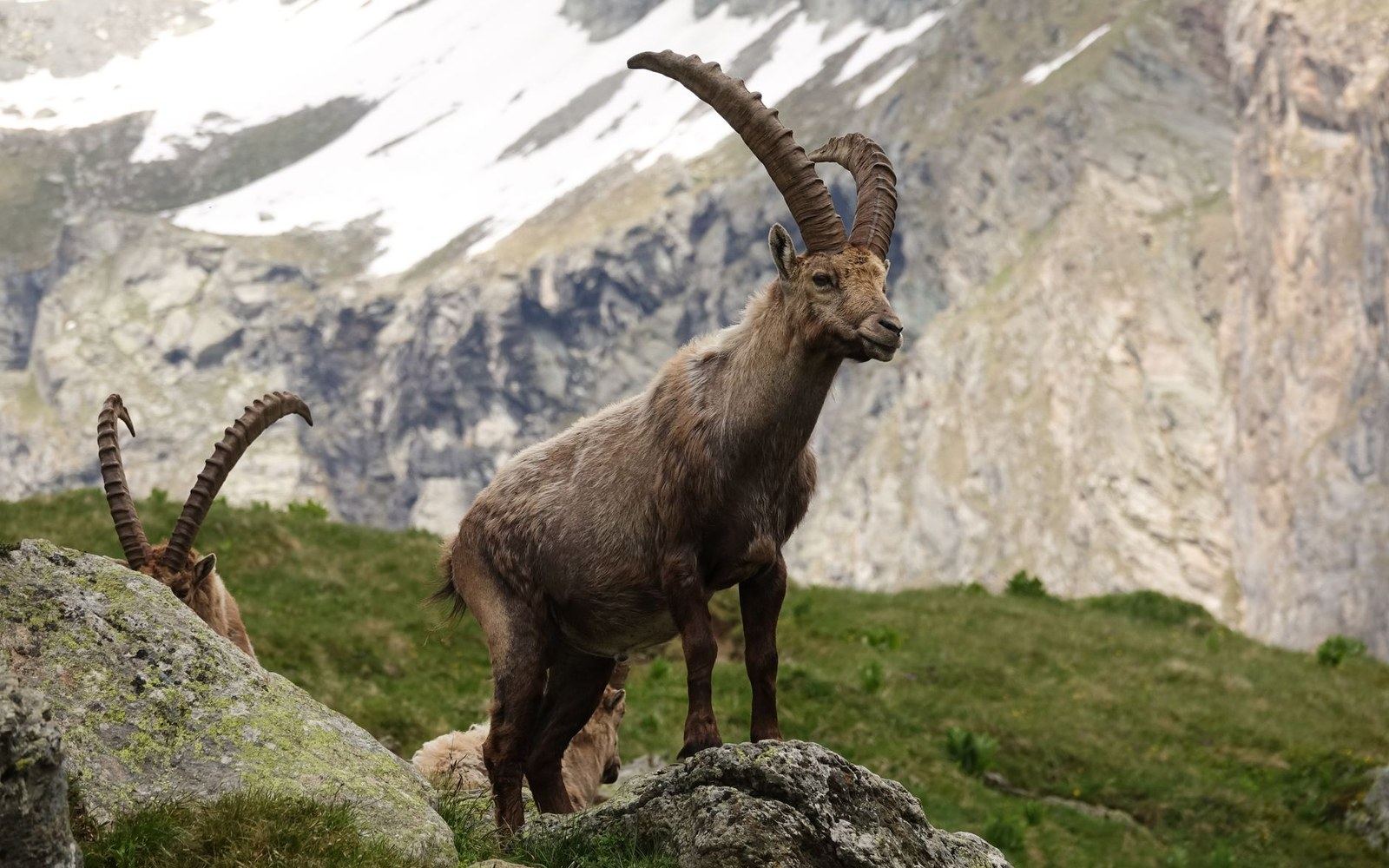
Scree at the top of the ibex range, where the park makes its counts.
Photo: Adrien Stachowiak / Pexels
What the count required was principally time and enforced protection rather than any active reintroduction programme within the park itself. Hunting remains prohibited throughout the central zone. The surveys, conducted on foot by park agents each June and July, distinguish sex and age class — males, females, yearlings — which allows population modelling beyond a simple headcount.
Chamois (Rupicapra rupicapra) are counted alongside ibex in the same annual surveys. Their numbers are substantially higher — typically seven to ten thousand individuals across the park's territory in recent counts — and their range broader, extending into forested zones below the ibex's preferred elevation band. Chamois tolerate more varied terrain and a longer browsing season, which partly explains the difference in scale. Their population is regarded as stable.
The two counts together give the park its most durable ecological baseline: sixty years of comparable data on the same two species, in the same bounded landscape, gathered by the same methodology.
Chronology
- ·Pre-1963: French ibex population estimated at 40–50 individuals, Vanoise massif
- ·1963: Parc national de la Vanoise established; ibex legally protected across core zone
- ·Late 1970s: ibex count exceeds 1,000 within park
- ·2000s: count approaches 2,000 in the core zone
- ·Present: approximately 2,000 ibex in the core zone; chamois 7,000–10,000 across park territory