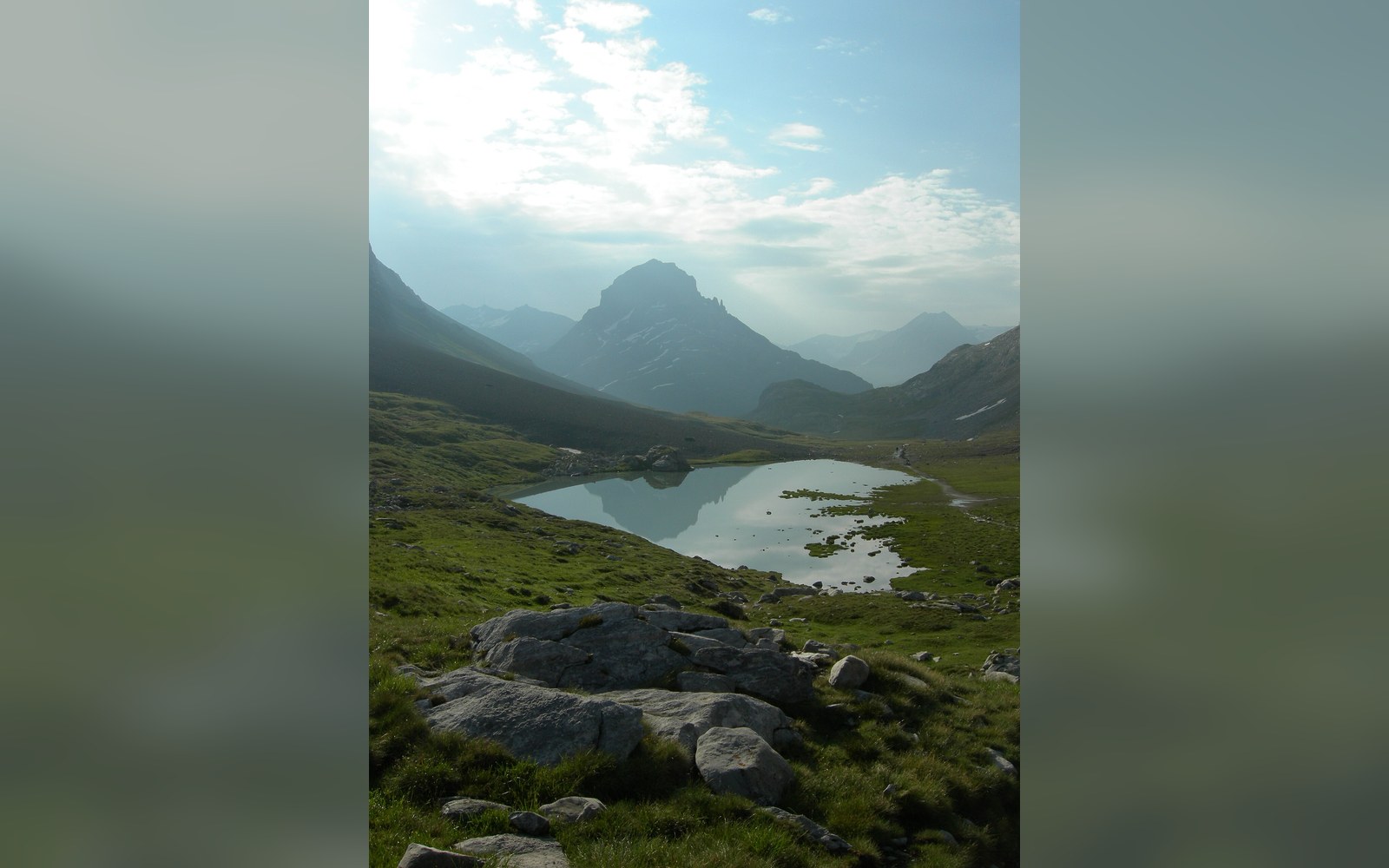
France's First National Park Took Forty Years to Agree
Conservation law reached the Vanoise only after a campaign stretching from the interwar years to 1963 — delayed by war, blocked by ski developers, and finally forced through by a coalition of naturalists, officials and climbers who had been building the case since the 1920s.
The Long Approach
The impulse to protect the high massif between the Tarentaise and the Maurienne first took organised form in the 1920s, when naturalists documented the near-extinction of the ibex (bouquetin, Capra ibex) in the French Alps. By 1921, the French population had collapsed to fewer than a handful of individuals along the Italian frontier, and the species survived in any number only inside the Gran Paradiso reserve, established across the border by the House of Savoy in 1856. French hunting law offered no equivalent shelter. The case for a statutory reserve — an area where the state's own rules would hold against hunting and commercial development — was put repeatedly through the interwar decades, notably by the Club Alpin Français and by successive natural history societies in Chambéry and Lyon. None of it produced legislation.
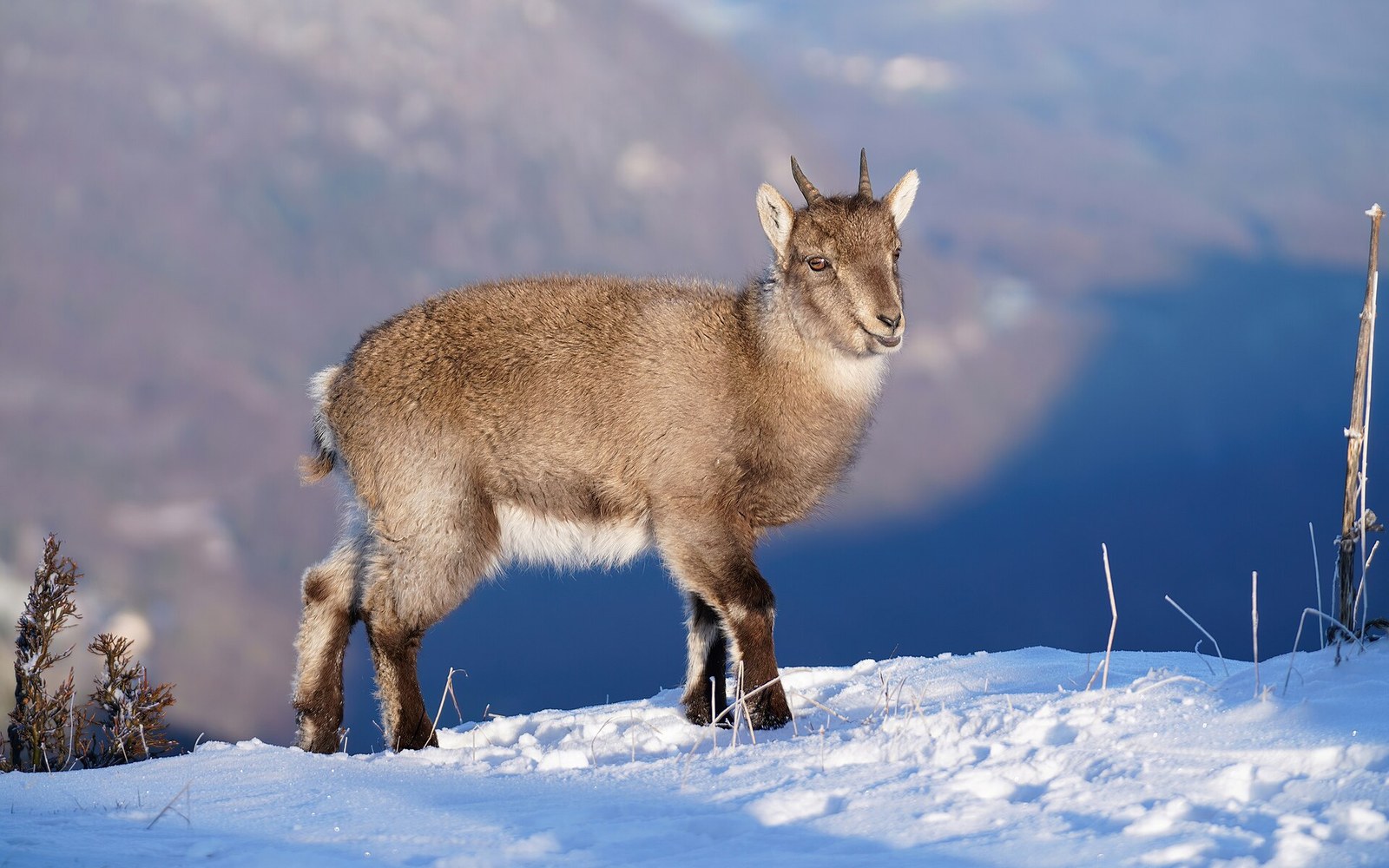
The park counts them each year. The recovery is the record it keeps best.
Photo: 021 Wild Baby Alpine Ibex Creux du Van Photo by Giles Laurent · Wikimedia Commons
The Second World War suspended the argument. When it resumed in the late 1940s, the terrain had shifted: the French state was simultaneously committed, through a series of hydroelectric concessions and emerging resort development, to treating the high Alps as an economic resource. Électricité de France (EDF) ↗ had already begun transforming the Arc and Isère catchments. The ski industry, which would formalise into the Plan Neige programme by 1964, regarded the upper Tarentaise and the Vanoise massif as its natural expansion ground. Any conservation boundary drawn through this terrain was a boundary drawn against money.
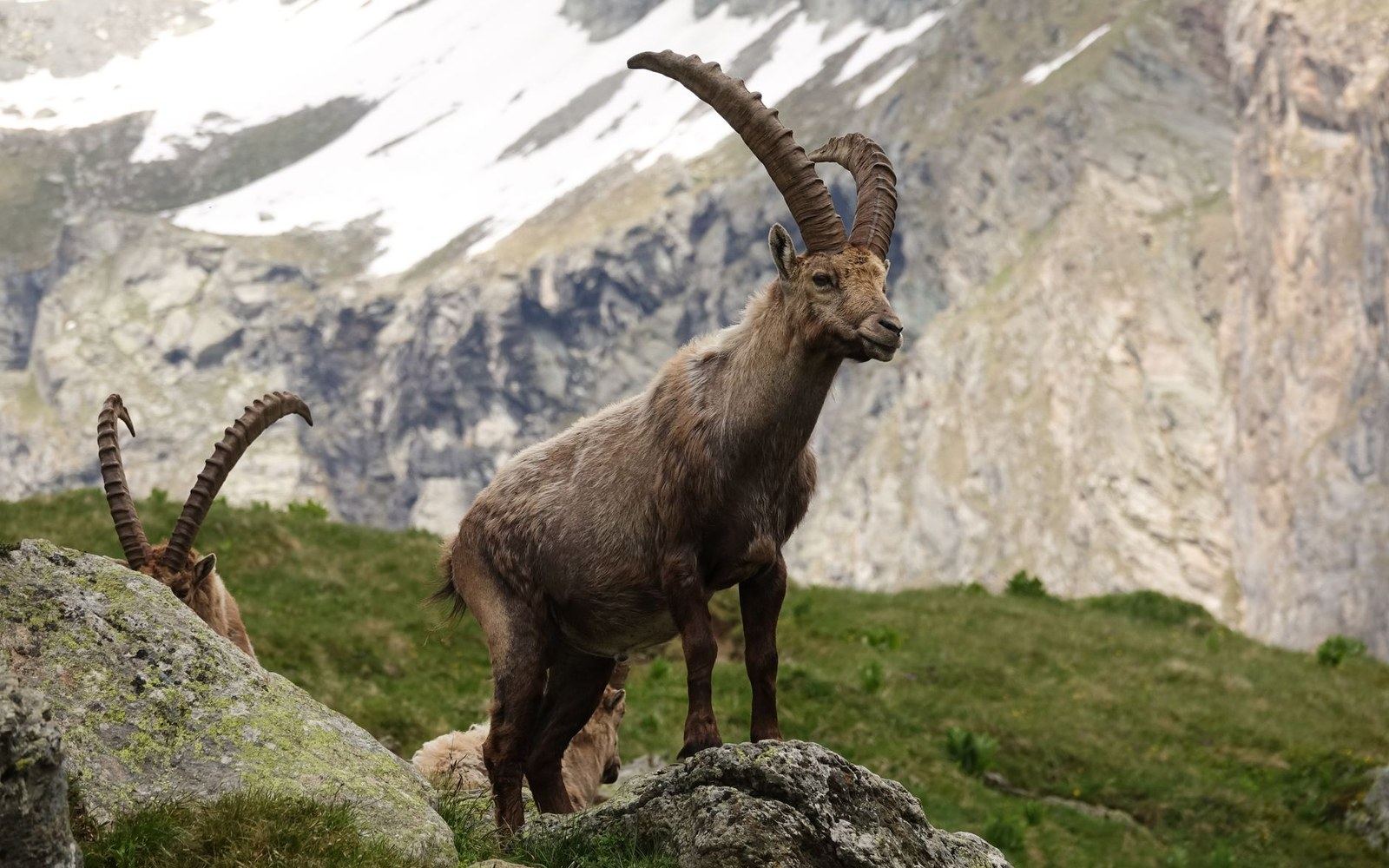
Scree at the top of the ibex range, where the park makes its counts.
Photo: Adrien Stachowiak / Pexels
The Legislative Fight
The direct legislative history begins with a 1952 proposal brought before the French National Assembly — one of several attempts in the early Fifth Republic's predecessor governments to pass framework law enabling national parks on the Swiss and American models. Each attempt stalled. The competing pressures were not abstract: ski resort operators in the Tarentaise lobbied actively against any designation that might constrain lift construction, and the hunting lobby, powerful in rural constituencies, opposed restrictions on access to the high terrain.
What broke the deadlock was a combination of international pressure and executive will. France had signed the International Convention for the Protection of Birds in 1902 and was party to wider interwar conservation commitments; by the late 1950s the absence of a French national park was becoming an anomaly within western Europe. The enabling legislation — the loi du 22 juillet 1960 relative à la création de parcs nationaux — passed the National Assembly in July 1960 after years of accumulated drafts. It established the legal framework: a core zone (zone centrale) with strict protection, surrounded by an outer buffer zone (zone périphérique) where existing economic activity could continue. The compromise was deliberate and structural; it was the only formula capable of surviving the opposition.
The Vanoise decree followed on 6 July 1963, making it France's first national park ↗. The core zone covered approximately 53,000 hectares of high terrain above roughly 1,800 metres. Hunting was banned outright in the central area. A formal cooperation agreement with Italy's Gran Paradiso, signed in 1972, created the first cross-border protected zone in the Alps — a direct consequence of the shared ibex population whose fate had animated the French campaign since the 1920s.
The struggle did not end at designation. In 1969 and again in 1971, proposals to build ski lift infrastructure inside the core zone — connecting Val d'Isère and Tignes to the Pralognan valley — provoked a public controversy that drew responses from naturalists, the Parc national's own scientific council, and eventually the French government. The planned lifts were refused. That refusal, coming only eight years after the park's creation, confirmed that the 1963 decree had produced something real rather than nominal: a boundary the state was prepared, when pressed, to defend.
Chronology
- 1856Gran Paradiso reserve established in Piedmont (House of Savoy)
- 1920sIbex near-extinction documented; French naturalist lobbying begins
- 1952First parliamentary proposal for a French national park framework
- 22 July 1960Loi relative à la création de parcs nationaux passed
- 6 July 1963Decree creating the Parc national de la Vanoise
- 1969–71Ski lift proposals for core zone debated and refused
- 1972Cross-border cooperation agreement signed with Gran Paradiso