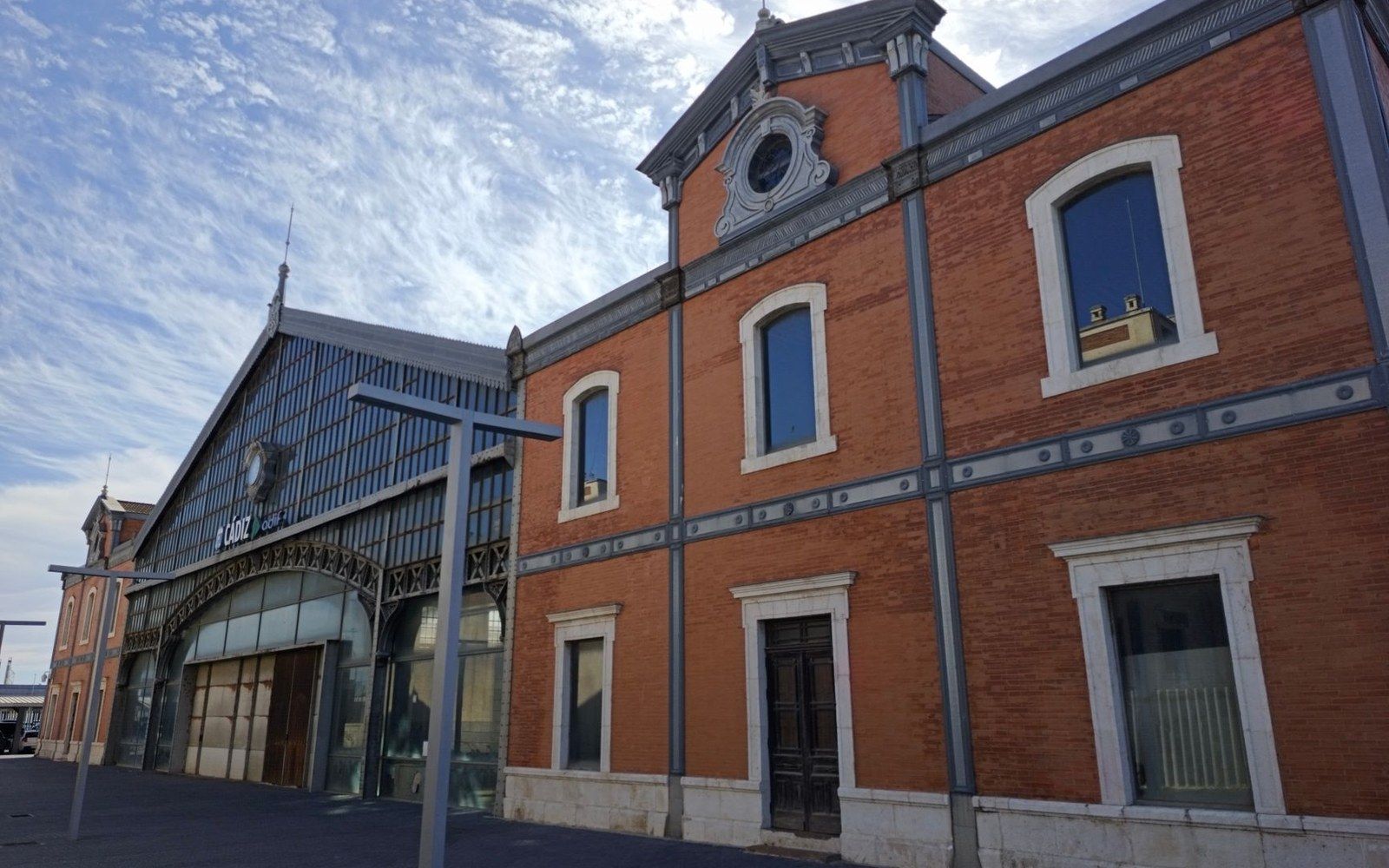
A station built for a pause: locomotives changed here, and so did the voltage.
Photo: Antonio Garcia Prats / Pexels
Modane: Where the Train Changes Country
A station town at the mouth of a tunnel, where rail traffic paused to change its character before crossing into Italy.
The Engine That Stayed Behind
Modane sits at 1,057 metres, pressed against the Italian frontier at the point where the Arc valley narrows into the mountain. The Fréjus rail tunnel, pierced through the Cottian Alps and opened in 1871, made Modane what it remains: a place trains pass through rather than a place they come to rest.
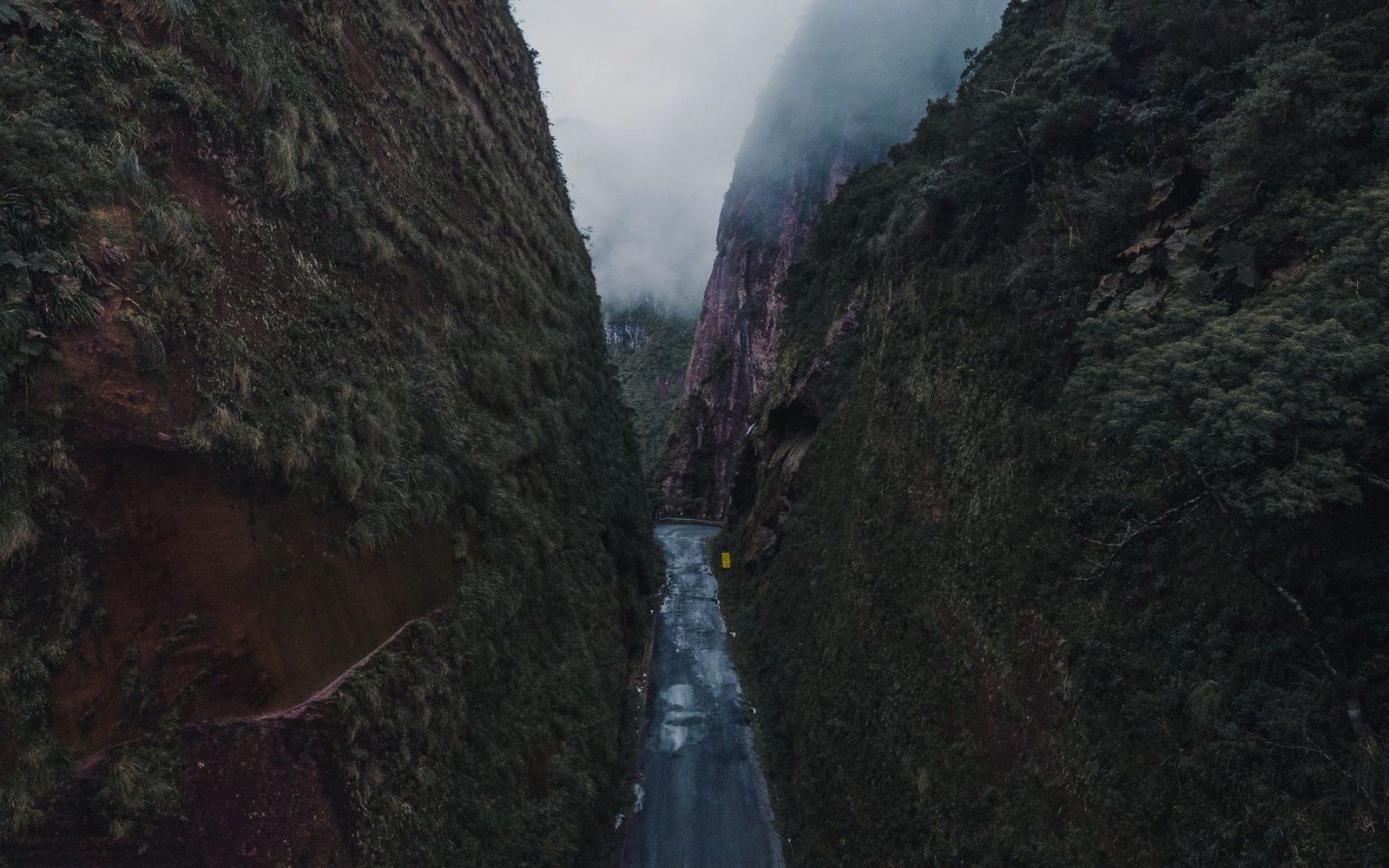
The Arc has cut its bed so deep that road and rail compete for the same ledge.
Photo: Guilherme Rossi / Pexels
For most of the tunnel's working life, the change of traction was its central ritual. France and Italy ran on different electrical systems — 1,500 volts direct current on the French side, 3,000 volts on the Italian — meaning every train bound for Turin was hauled to the border ↗ and handed to a different locomotive. Passengers waited. Freight was uncoupled and re-coupled. The station grew large enough to serve that mechanical pause: locomotive depots, customs halls, a workforce of railwaymen whose jobs were defined entirely by the handover.
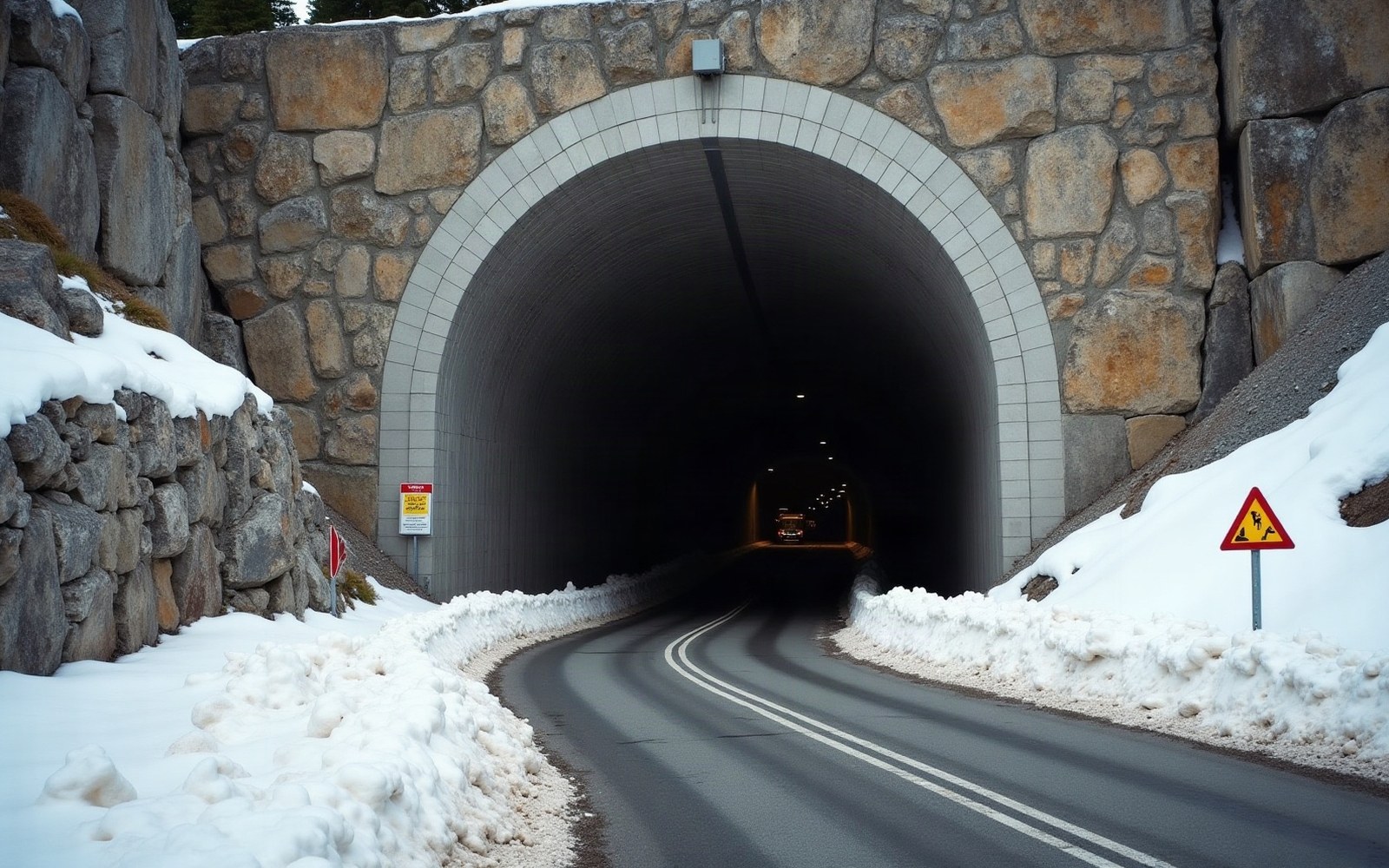
A portal driven into the rock face, snow banked at the mouth. The valley has two of them.
The Société des Chemins de Fer de Paris à Lyon et à la Méditerranée — the PLM, which managed the French approach — built the line through Saint-Jean-de-Maurienne and up the valley floor through the nineteenth century. Modane was its terminus and its border post simultaneously. At its operational peak the station handled both the express passenger traffic between Paris and Rome and the slower freight that moved coal, iron and later aluminium between the two industrial economies on either side of the Alps.
That function has contracted but not disappeared. Cross-Alpine passenger services ↗ and the freight flows through the modernised Fréjus crossing still use Modane as a check-point. The town itself carries the marks of that history in its station architecture and its population, which never grew far beyond what the railway required. Transit built Modane, and transit is still its primary condition.
Chronology
- 1871Fréjus rail tunnel opens; Modane established as the French border railhead
- 19th centuryPLM extends line up the Maurienne valley through Saint-Jean-de-Maurienne to Modane
- 20th centurytraction-change operations at peak: French 1,500V DC / Italian 3,000V DC systems require locomotive swap at the frontier
- 1,057 mModane's altitude (IGN)