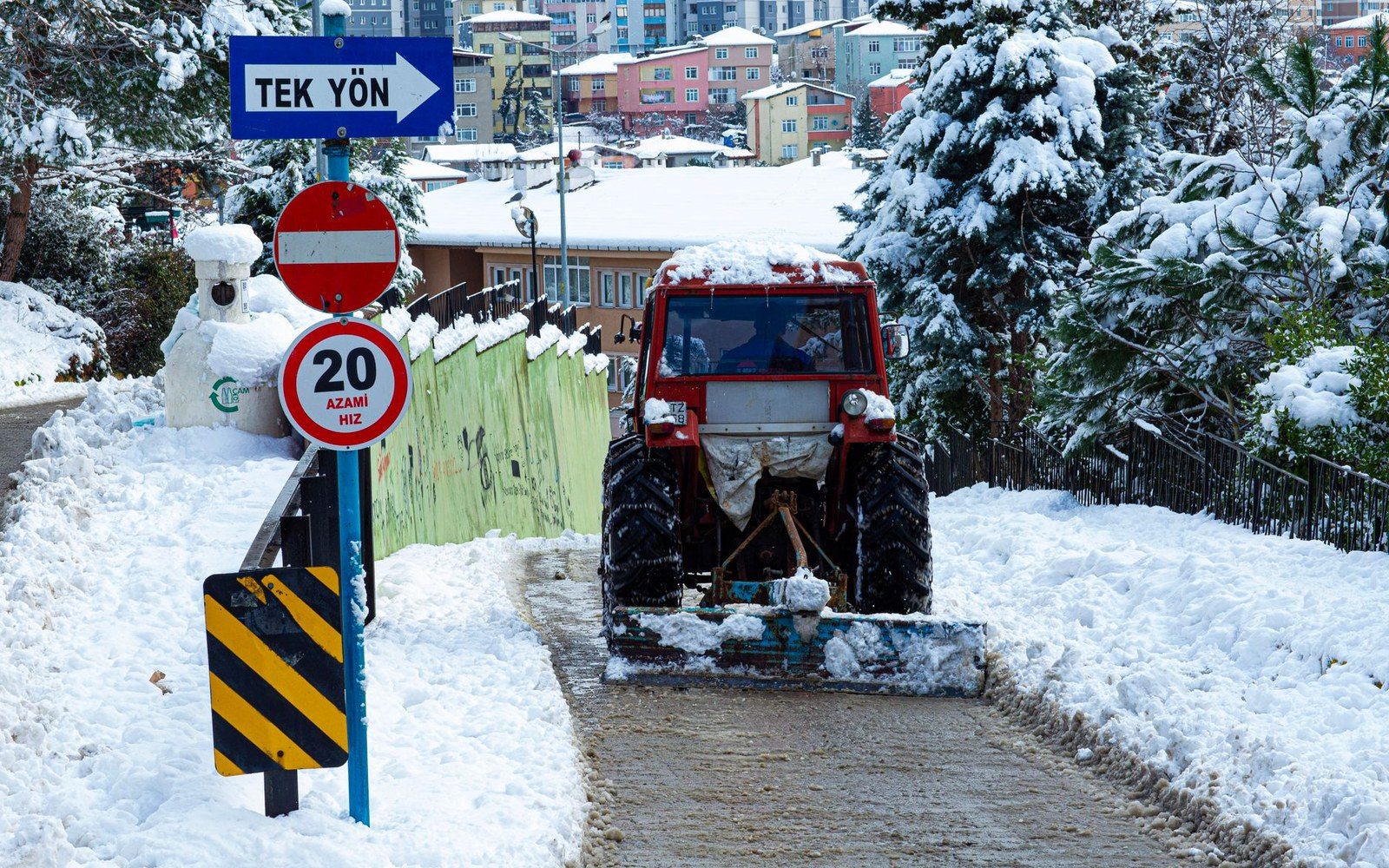
The order of opening is fixed by altitude, and it is the same every year.
Photo: Samet Çolakoğlu / Pexels
Every June a Machine Goes Up and Cuts the Road Out of the Snow
The high passes of the Maurienne do not open: they are opened, by hand and machine, every year without exception.
The Work of the Plough
The Col du Galibier, at 2,642 metres by IGN survey, carries more winter snow than almost any other paved road in the French Alps. In a heavy year the drift at the summit cuts six to eight metres above the tarmac — a figure the departmental road authority, the Direction Interdépartementale des Routes, records annually when crews begin the ascent from Saint-Michel-de-Maurienne and from Valloire on the northern side. The Col de la Croix de Fer closes each October and faces the same excavation every spring.
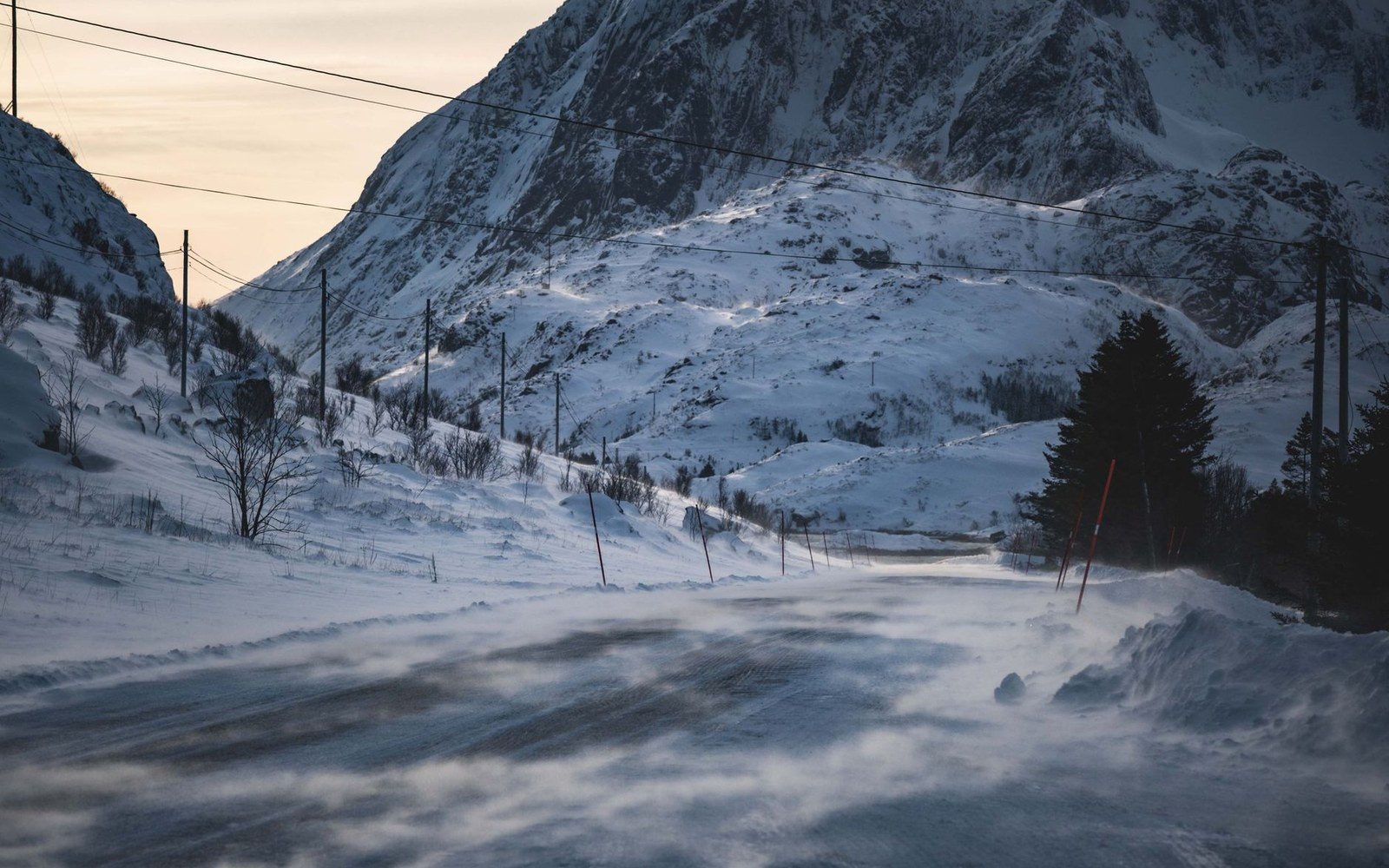
The gallery does not stop the avalanche; it lets it pass over the carriageway.
Photo: Francesco Ungaro / Pexels
The machine at the centre of it is the rotary snowplough — a truck-mounted or self-propelled unit whose cutting head spins at speed, ingesting compacted winter pack and throwing it laterally off the road edge. Where a blade plough merely pushes, the rotary cuts. At the Galibier, a single pass clears roughly two to three metres of width; a road of eight-metre carriageway may need four passes and several days, interrupted by fresh accumulation if a May storm arrives before the work is done. The first recorded opening of the Galibier under the Tour de France organisation's requirements set a public benchmark: Henri Desgrange's route over the col from 1911 onward meant the road had to be certifiably open by early July each year, and Desgrange insisted on documented proof of passage.
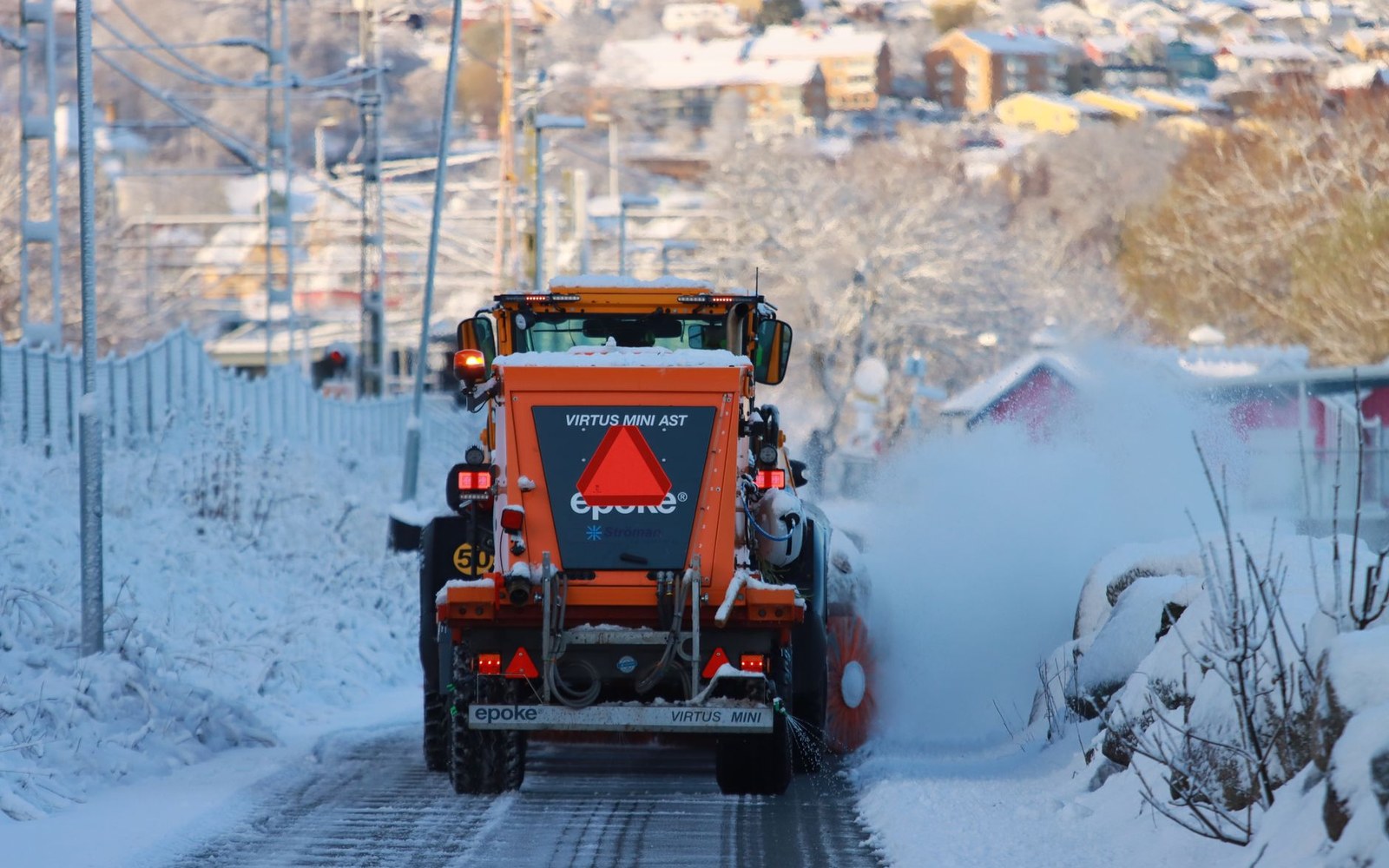
The rotary throws compacted snow clear of the parapet instead of pushing it along.
Photo: Efrem Efre / Pexels
The order of opening follows altitude and aspect. North-facing approaches hold snow longest. The Col de l'Iseran — the highest paved pass in the Alps at 2,764 metres — typically opens last among the Maurienne cols, rarely before mid-June and occasionally not until July. Crews from the Savoie road service work upward progressively, sometimes meeting in the middle at the summit, sometimes finding one flank already thawed by southern exposure.
The first passage date is noted each year in the departmental record as a maintenance event, not a ceremony. It is the moment the infrastructure reverts from buried to functional — for Tour de France ↗ vehicles, for cyclists, and for the freight and service traffic that uses these roads the remaining months before the snows return.
Chronology
- 1911Col du Galibier first included in Tour de France route, establishing an annual road-opening requirement
- October each yearGalibier and Croix de Fer close to through traffic
- May–June each yearrotary clearance begins from both sides of the high cols
- Mid-June to JulyCol de l'Iseran typically the last Maurienne col to open